
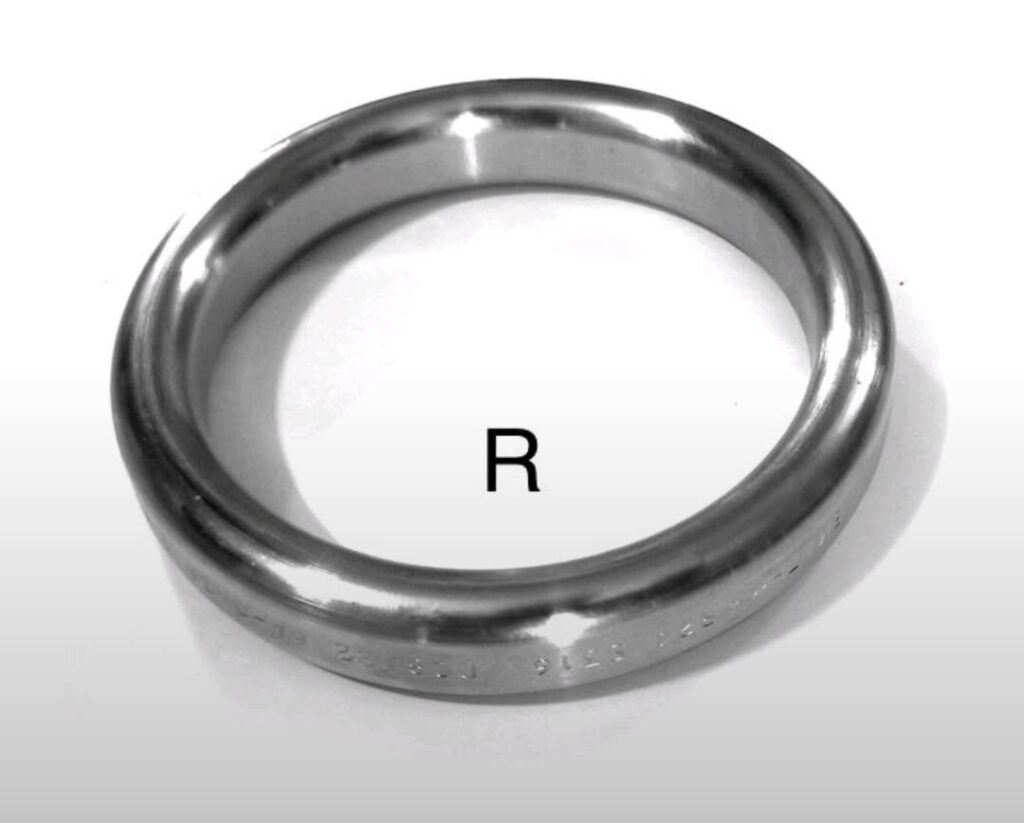
(1) #R-Type Gasket:
Application: Fits API 6B flanges.
Pressure Rating: Up to 5,000 psi.
Shape: Oval or Octagonal.
- Material: Soft metal, no filler.
Temperature Rating: Low to medium. - Drawback: Not self-sealing, sealing may weaken if vibration occurs or pressure drops.
- Installation Notes: Sensitive to torque; proper tightening required to avoid leakage.
Typical Applications: Medium-pressure oil & gas pipelines. - Interchangeability: Cannot replace RX in high-pressure applications where Self-sealing is needed.
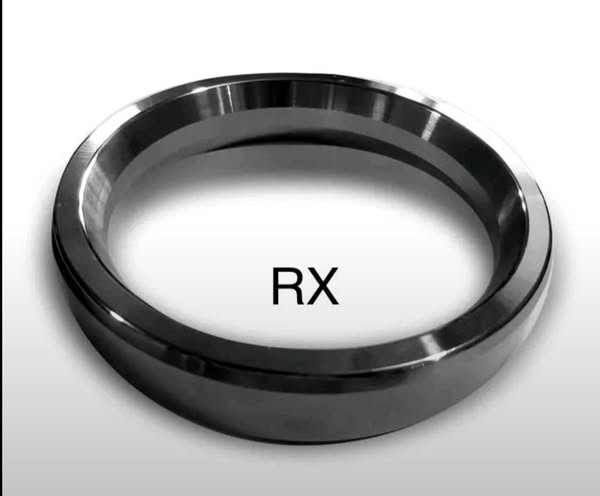
(2) #RX-Type Gasket:
Application: Fits API 6B flanges.
Pressure Rating: Up to 5,000 psi.
Shape: Almost octagonal, deeper and slightly wider than R.
Material: Same metal as R, with soft filler for Self-sealing.
- Temperature Rating: Low to medium.
- Advantage: Self-sealing, internal pressure increases, the gasket presses itself into the groove for better sealing.
Installation Notes: Less sensitive to torque than R.
Typical Applications: Lines with vibration, variable pressure, or need for reduced leakage. - Interchangeability: Can replace R in the same flange.
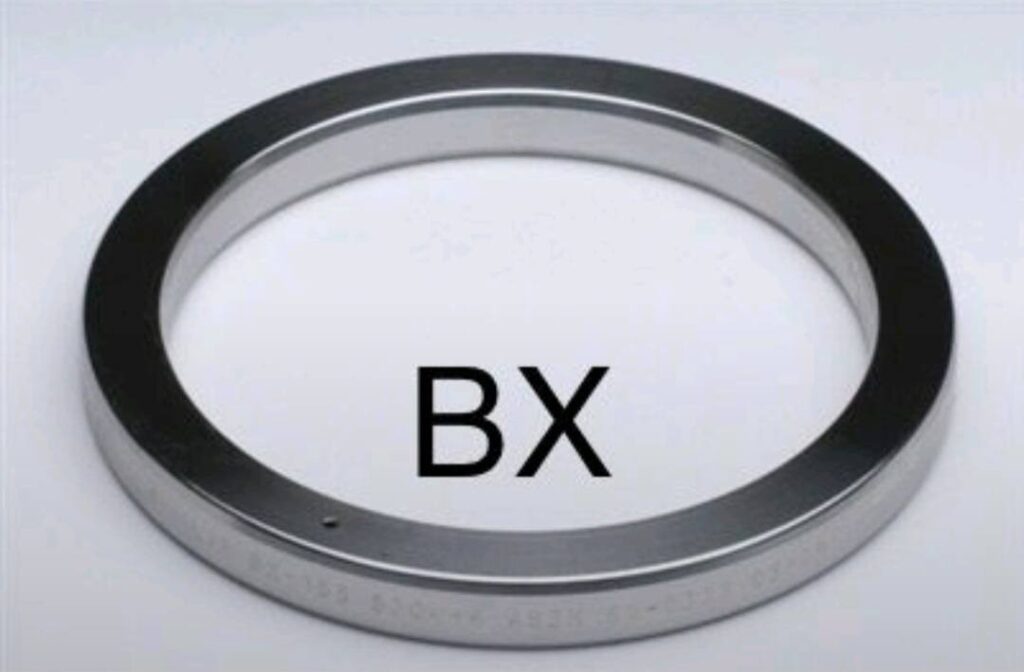
(3) #BX-Type Gasket:
Application: Fits API 6BX flanges only (different flange design).
- Pressure Rating: 10,000 – 20,000 psi.
Shape: Nearly square with a small Pressure Balance Hole.
Material: Special solid metal designed for high pressure. - Temperature Rating: High-temperature capability.
Advantages:
Handles very high pressures.
Pressure Balance Hole distributes pressure evenly, preventing gasket buckling or deformation.
Installation Notes: Requires dedicated
6BX flange and high torque. - Typical Applications: High-pressure oil & gas wells.
Interchangeability: Not interchangeable with R or RX, requires 6BX flange